
Forget the dusty stereotypes and outdated travel brochures. Azerbaijan, a vibrant tapestry woven with ancient history, stunning landscapes, and warm hospitality, invites you to experience its true essence. To truly immerse yourself in its unique charms, we’ll debunk six common myths that often shroud this fascinating country, revealing the reality behind the misconceptions and paving the way for an unforgettable travel to Azerbaijan. So, buckle up as we dispel the muddled truths, unravel safety concerns, and navigate cultural nuances, ultimately opening the door to the true magic of Azerbaijan waiting to be discovered.
Myth: ‘Home to half the world’s mud volcanoes!‘
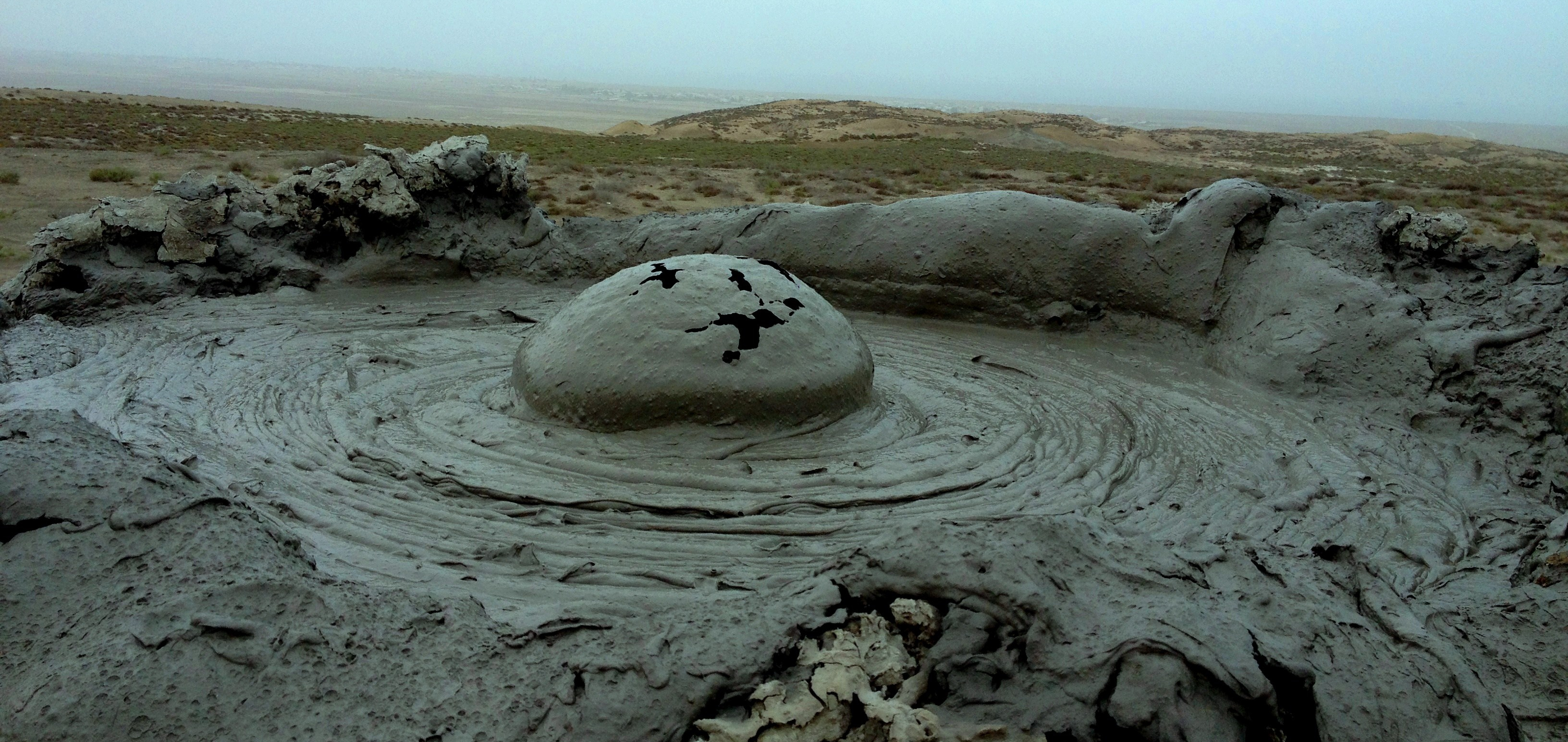
“Wow, that is incredible.” To be honest no one knows what the hell the line of “half of the world’s mud volcanoes” means in terms of figures. There is no exact count of mud volcanoes in all over the world yet. Quite surprisingly numeric figures originate in Azerbaijani sources. It is true thoough, Azerbaijan boasts an impressive number of these fascinating geological wonders, the “half the world” claim may misrepresent the actual figure. It’s a catchy slogan, but let’s focus on the real wonder: witnessing Mud Volcanos in Gobustan together with prehistoric Petroglyphs of Boyukdas, a testament to Azerbaijan’s natural attractions.
Myth: ‘War Zone Blues: Travelling to Azerbaijan is unsafe.’

Azerbaijan and Armenia fought a war over Azerbaijani territory of Nagorno Karabakh during 1992-1994. Both countries agreed to the ceasefire concluded in 1994. A major war broke out in September 2020 for 44 days and a day war in September in 2023 and Azerbaijan’s military victoires in these two short-term targeted operations effectively brought an end to the the fights over Karabakh. Morover, the rest of the country has been secured and people do fall in boredom out of normal routine of life. To this time, there is no record of a civilian foreign national causality because of the Karabakh conflict during. All in all, tourists and travellers do state that the country is safe to travel.
Myth: ‘Passport Panic: Visiting Armenia means you’re banned from Azerbaijan.’
While crossing the border directly between Armenia and Azerbaijan is currently not possible, visiting Armenia beforehand doesn’t automatically bar you from entering Azerbaijan. Simply obtain a visa through the proper channels, and prepare to be greeted with open arms. All they do is to ask you few questions like “what was reason of your visit to Armenia” or “What were you doing in Armenia?” However, your entry to Azerbaijan can be declined if there is a proof that you have been to Nagorno Karabakh, the occupied territories, without permission of the government in Baku. Since the Nargorno Karabakh Conflict is over, two governments are now negotiating a peace treaty, you are always welcome in Azerbaijan.
Myth: “Golden Greed: The Siemens Brothers swindled Gedabey’s treasure.”

Gedabey accounted for 20% of all copper production in the Russian Empire. The Siemens Brothers had operated Gedabey Plant as a private business. The myth that the Siemens Brothers fooled local people and authorities stealing gold in the cover of copper is kind of trauma that haunts people of Gedabey throughout times. The data from the Siemens period indicates the purity of refined copper bullion averaged at 99.9%, while gold and silver minerals were considered secondary output and were shipped to Germany without being fully processed. More importantly, the gold metal content was very low, at 1/15 to 1/17 of leached ore. The records for 1867-1914 show that 58 000 t of copper, more than 3 t of gold and 12 t of silver were produced. However, the mystery remains about the Copper Hill (a mountain hill) that the Siemens used to extract copper is now exploited as the main gold deposit to produce gold.
Myth: ‘Fashion Faux Pas: Forget those shorts, shorts are a no-no!’

Azerbaijani society is dominated by masculine sexes. Masculinity is a cult, dogma, social convention, also burden full of responsibility and obligations. There is no place for shorts in this junk of shits. Thus, men are supposed not to wear shorts in public places. But all these are old fashioned way and they are undergoing a process of change, whole social conventions get transformed and youths become more open minded and favourable towards wearing shorts in defiance of societal reproach. When young generation stepped up and marched for short-wearing in Baku, it made story lines on BBC. This piece of lines from UK would suffice to put an end to it: “It is now more acceptable for men in Baku to wear shorts in the summer months but outside of Baku it can be frowned upon and attract unwelcome attention.”
Myth: “People do no smile”

Do not believe a word you have read in any other platforms stating that people do not smile in Azerbaijan. It is like a statement of the Russian journalist saying that “There is ‘no sex’ in the USSR” during a television talk show. Almost all foreign travellers have experienced quite opposite of this phenomenon. We are actually quite cheerful people and we do like getting into big friendly talks with foreign tourists. I’d recommend watch an Armenian parodying Georgian, Azerbaijani and Armenian. That smiley and cheerful face is not just the way we play drum but also very nature of the Azerbaijani people. Spoiler alert: You’ll notice a lots of gold teeth when they smile.
So, put aside the myths and misconceptions. Pack your curiosity, embrace the warmth of Azerbaijani hospitality, and uncover the true magic of this land waiting to be discovered.
 Azerbaijan Traveller
You must be logged in to post a comment.