
Are you ready to savor melt-in-your-mouth dolmas, indulge in fragrant plov (pilaf), and discover the secrets of succulent kebabs? Our Baku Food Guide is your key to unlocking a world of culinary delights. Join us as we navigate bustling street vendors, explore hidden gems, and delve into the rich history behind each dish. Do you crave a personalized Baku Food Tour led by local experts? Perhaps you seek a captivating Baku Wine Tour exploring regional vintages. Alternatively, you might desire an intimate Food Tasting in Baku with fellow food enthusiasts. This guide has everything you need. It will turn your trip into an unforgettable feast for the senses. Grab your fork and buckle up! Get ready to discover the true essence of Baku as part of your culinary travel itinerary. Experience it one delicious bite at a time!
Azerbaijani Breakfast

You should start your morning in Baku like the locals on a weekend. Begin with the most significant meal of the day. Azerbaijani breakfast is simple and modest. It represents the unity with nature itself. Sweet tea is essential. Tandir (təndir – clay oven) bread pairs with homemade white salty cheese. Add butter, cream, and honey for extra flavor. You also need fasali (puffy layered buttery bread) to add more layers to all these tastes and flavors. No breakfast set is complete without the main dish, pomidor yumurta (tomato and egg). Top your Azerbaijani breakfast with scrambled eggs mixed with organic tomato for the ultimate enjoyment. Alternatively, you can also try Kuku (kükü – eggs mixed with greens).
Plov

A rice-based meal called plov is served during feast days. The communal celebration over food is crowned by Plov. It is always centered at the top of the table. Thus, plov is one of the most important traditional food of Azerbaijani Cuisine. It has to be made with care and love meanwhile preparation involves several stages until a unique taste is achieved. To perfect the blend of savory flavors, saffron is added. Layers of dried fruits, plums, chestnuts, and raisins are also included. Other variations of plov get their name from the toppings that are offered. Shah plov is cooked within crust and steam. Fisinjan plov has a topping of meatballs with pomegranate sauce. The sauce is mixed with spices and nuts. The topping of sabzi plov is marinated greens mixed with beef. When you travel for food in Baku, make sure you taste Azerbaijani plov. It is the most delicious part of your food travel.
Read this guide to Azerbaijani plot-tasting
Dolma
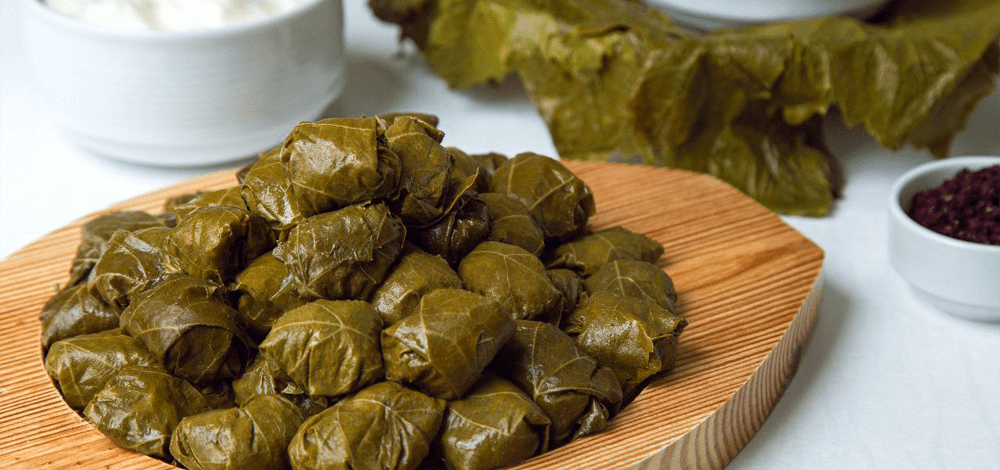
Dolma, aka yarpag dolmasi, is one of the defining dishes in Azerbaijani cuisine, much like plov. The tender grape leaves, which can be fresh or canned, wrap around a savory filling. This filling is made with a mix of ground meat, onion, and rice. It also includes fresh herbs such as coriander and seasoning. Azerbaijani version of dolma differs in size and shape from dolma made in the Middle East and elsewhere. Azerbaijani dolma is much smaller. It has a round shape. The smaller and tinier the dolma bundles are, the better they taste. Dolma is a central culinary practice in all regions of Azerbaijan. It is enjoyed on special occasions and gatherings. It expresses solidarity, respect, and hospitality. Above all, the dolma-making and sharing tradition is a marker of cultural identity. It has been included in the UNESCO Representative List of the Intangible Cultural Heritage of Humanity.
Kabab
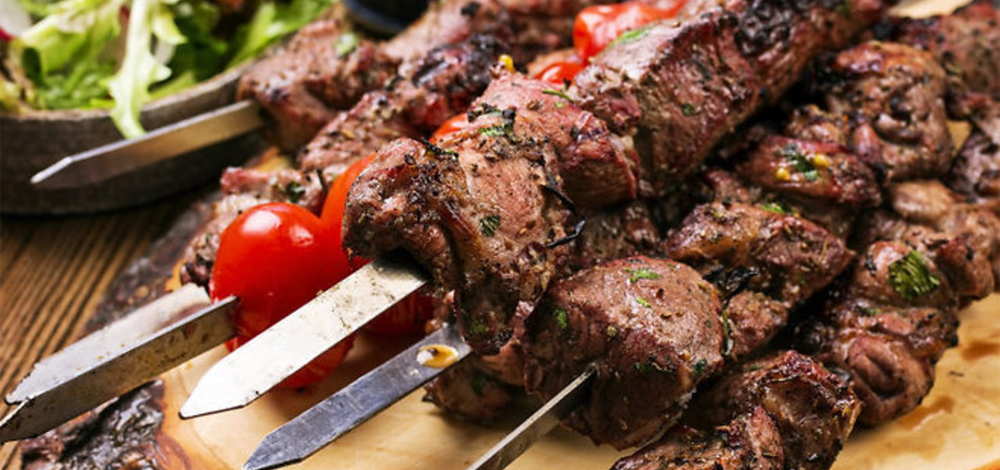
As per saying “Kabab qanlı, igid canlı” (Kabab is eaten juicy (bloody), brave man must be lively). Kabab is a dish made from small pieces of ground meat or entrecôte. It is accompanied by tomatoes, potatoes, and eggplants. These ingredients are threaded onto skewers and grilled over charcoal. For your ultimate kabab feast, choose from a variety of kababs. Options include tika kabab, entrecôte kabab, lula kabab (minced meat), bastirma kabab, and sabat kabab (rib cage of lamb). On a side note, Kabab-making traditions are processes when new friendships are born and strengthened. Serve yourself a juicy, medium-cooked, tender kabab to experience the orient’s nomadic cattle breading culture.
Qutab

Qutab is one of the summer’s most delicious flavors in Azerbaijan. It resembles a quesadilla but has a different filling. Qutab is shaped into a crescent. It is covered in a thin layer of dough (flatbread) made from flour, water, eggs, and salt. They are folded over and cooked on both sides on the flat pan (aka saj). They are stuffed with cheese, pomegranate, pumpkin, or greens. The popular types of Qutab are: et qutabi (meat-based), göy qutab (greens-based), and borani qutabi (pumpkin delicacy). When it’s done, sumac, yogurt (qat), and buttery Qutab are served (spice). The stuffing and the size of Qutab may vary from region to region i.e. if you are in Jorat village of Baku, they will serve hand-sized jorat qutabi with camel meat stuffing.
Piti

Piti is a sort of soup and stew. In one serving, there are two portions. The ingredients include lamb meat, chickpeas, chestnuts, dried plums, onions, saffron, potatoes, and sheep tail fat. The lamb meat cooks for eight hours at a very low temperature. This process requires multiple separate cooking cycles to add all of the ingredients. Piti is prepared in clay pots (saxsi qab) and flavored and colored with saffron water. Piti should be consumed as a two-part meal. First, you produce a soup by adding the pot’s liquid over cubes of bread, onions, and sumac. Next, the other ingredients are mashed in the pot and served as the main course. It is a local dish from Sheki, a city in the northern-west of Azerbaijan. You should visit the region to taste flavors from regions.
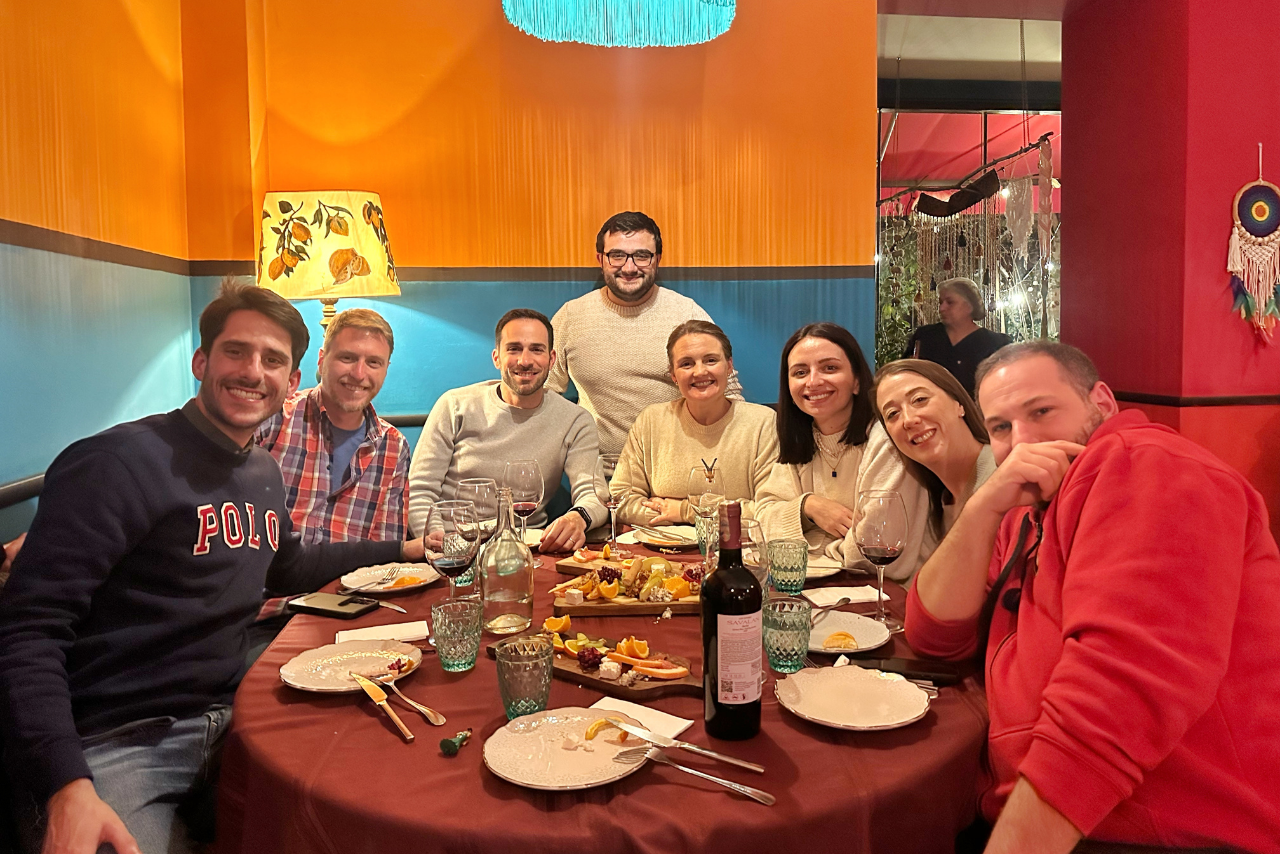
Eat Like Local: Baku Dining & Wine Tasting Experience
Join us for delicious day over local cuisine, street food, wine&tea tasting tour at top restaurants.
Levengi

Levengi is another essential dish of Azerbaijani cuisine. The dish is made with stuffed fish or chicken. Walnuts, onions, and dried fruits like albukhara and alcha are used to make the filling. Traditionally, the Levengi is enjoyed best when combined with plov throughout the holiday seasons, especially the Novruz Holiday. The tastiest Levengi is staffed kutum, an endemic fish to the Caspian Sea. Moreover, the dish originates from Lankaran, a city in the south of Azerbaijan. The city has been recognized as UNESCO’s creative city in gastronomy. If you can’t make it to Lankaran, you should visit one of the local bazaars in Baku. There, the Levengi is freshly prepared in a tandir, a type of traditional clay oven. It is served right away.
Manqal salati
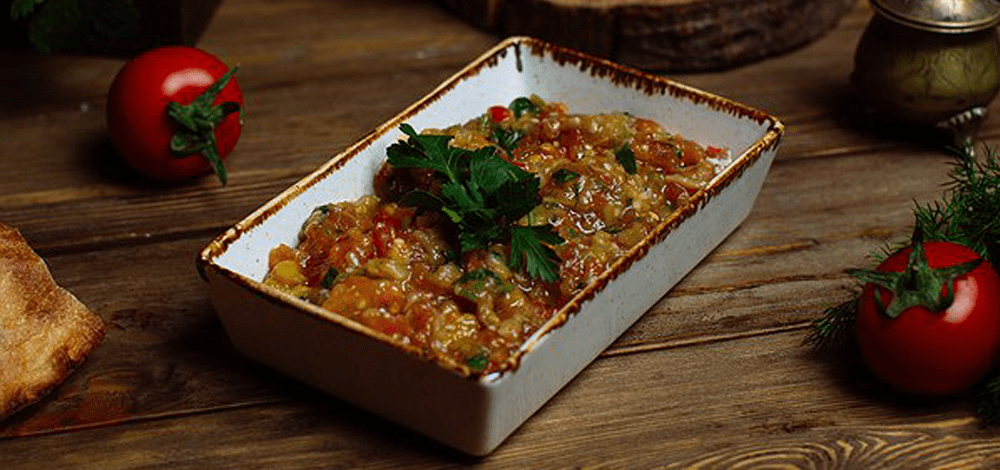
Fresh vegetables and salads are an inseparable part of the food lifestyle in Azerbaijan. Manqal salat is one of the most delectable salads. It is a delicious, nutritious, and well-balanced salad. The salad must have eggplants, tomatoes, and bell peppers. It should also include herbs like coriander, dill, and basil. Additionally, add spicy peppers and spring onions. To preserve these veggies’ vital vitamins and freshness, they are gently cooked on skewers. This is done using mangal (Azerbaijani-style BBQ cookout). They are afterward peeled off, diced, and combined with fresh herbs, olive oil, and minced garlic. The salad is typically offered as an appetizer to go with the Azerbaijani kabab. Choose a little bread. Put a spoon of manqal salati on it. Top it with some motal cheese. Then enjoy it.
Khingal

Khingal or yarpaq khingali is one of the popular pasta dishes in Azerbaijan. It is extremely popular on rainy and cold days. The dish is made of homemade pasta (eggs, flour, water) that is sliced diamond-shape resembling leaves. The yarpaq khingali is then topped with ground lamb. The lamb is browned in butter. Golden color-cooked onion and butter are spread over it. The dish is accompanied with garlic mixed yogurt and selected herbs. When visiting Baku on chilling winter days, Khingal is a carb-rich meal. It is both heartwarming and satisfying. It should be on your dining itinerary.
Dushbara
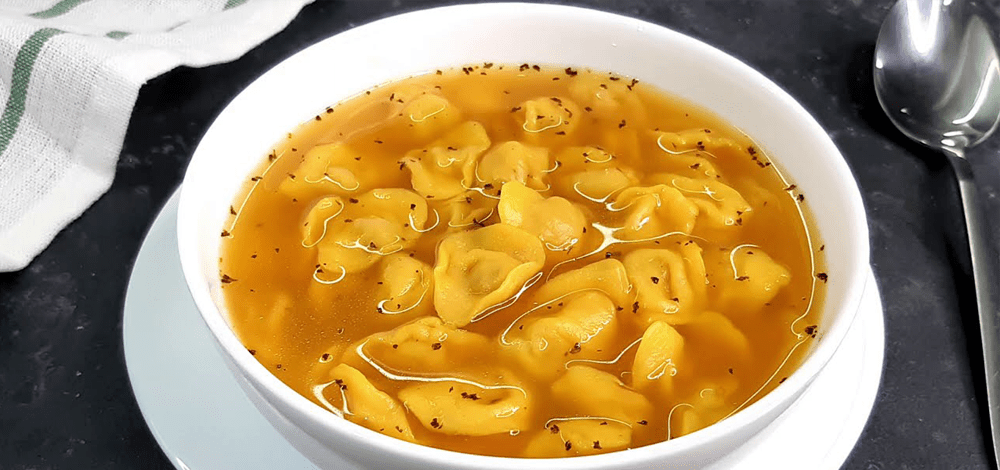
Even though there are not many soup dishes in Azerbaijani cuisine, a few stand out. Dushbara may resemble dishes made with dumplings in many cuisines. However, it is unique due to its technique. It also uses Azerbaijani-only components. It consists of meat-filled dumplings and lamb bone stock. The filling is made with ground lamb, onion, salt, and pepper. The dough for the little dumplings is made with flour, eggs, salt, and water. The dumplings are cooked in lamb stock in the last step. For optimal flavor extraction, it is typically served with vinegar and mint. Make sure to count the amount of dumplings in the spoon since they taste better when they are smaller.
Dovga

Dovga is perhaps the healthiest food in Azerbaijan if that were to be requested. It is a soup full of fiber, protein, and carbohydrates. High-quality yogurt (qatiq), egg flour, and rice are used to make the soup. Fresh vegetables including dill, mint, cilantro, coriander, spinach, and parsley are also used. All of the fresh veggies are added. The yogurt is continuously swirled. This prevents curdling until it begins to bubble. It is a four-season soup. In the summer, it is served chilled to offer a calming refreshment. This helps fend off the heat with all nutritious elements. However, it is served hot throughout the winter to warm, richly nourish, and fortify your body and spirit.
Tea with Jam

In Azerbaijan, a well-known song goes, “Whoever has an aching body, bring him tea.” For people, tea serves as a panacea, to put it another way. The tea-drinking culture is a symbol of hospitality, with all visitors being welcomed to join in. Black tea leaves are steeped for around 3-5 minutes in a teapot full of hot, boiling water. Then, a mix of brewed tea and hot water are poured into a pear-shaped tea glass. Sugar cubes are typically offered with tea. The Azerbaijani people, however, adore drinking tea with homemade jams like strawberry, cherry, or even walnut. Azerbaijanis also love their tea served with pastries like pakhlava. They enjoy shakarbura or badambura to sweeten their festivities. This is especially during the Novruz holiday.
Food and Wine Tours in Baku:
- Eat Like Local: Baku Dining & Wine Tasting Experience
- Baku Urban Wine Tasting & Crawl Experience
- Baku Street Food and Local Eateries Tour
Written by: Local Guides in Baku
www.azerbaijantraveller.com
 Azerbaijan Traveller
You must be logged in to post a comment.